
Top Wellness Trends of 2026
As we move deeper into 2026, the intersection of home design and holistic wellbeing has never been more intentional. Today’s homeowners are seeking spaces that don’t just look beautiful; they want environments that actively support their physical health, mental clarity, and emotional balance. Read on the top wellness trends defining residential design this year.
1. Biophilic Maximalism
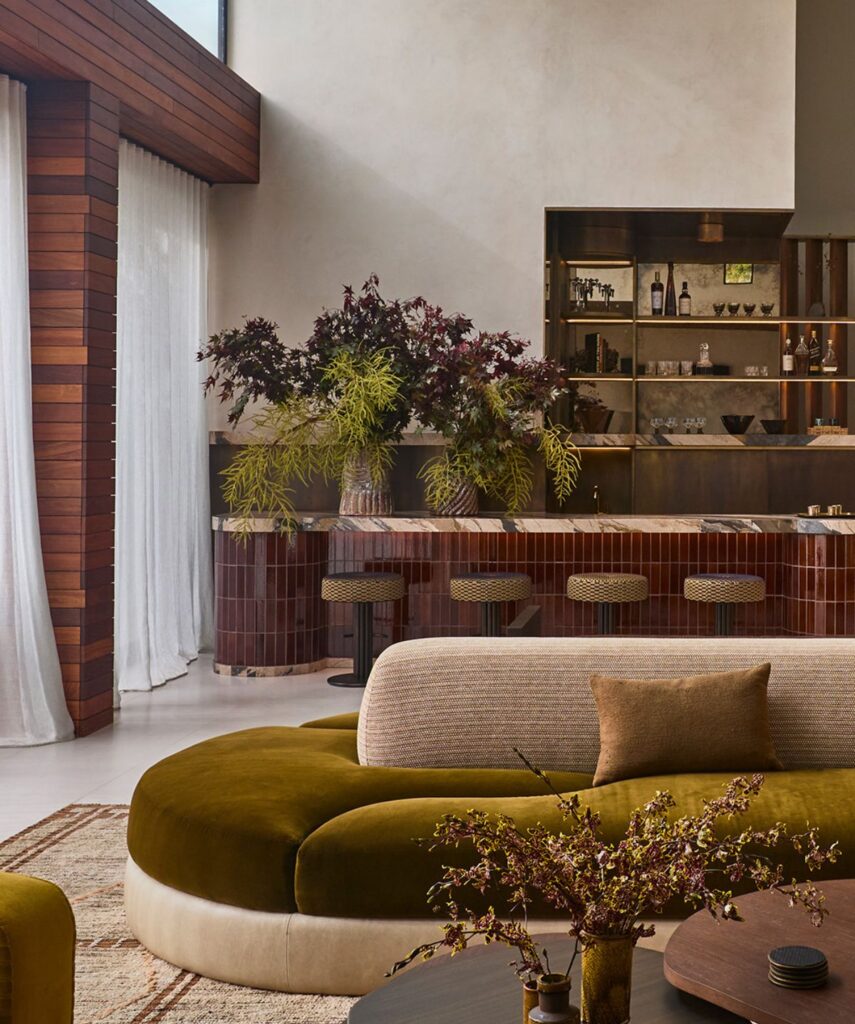
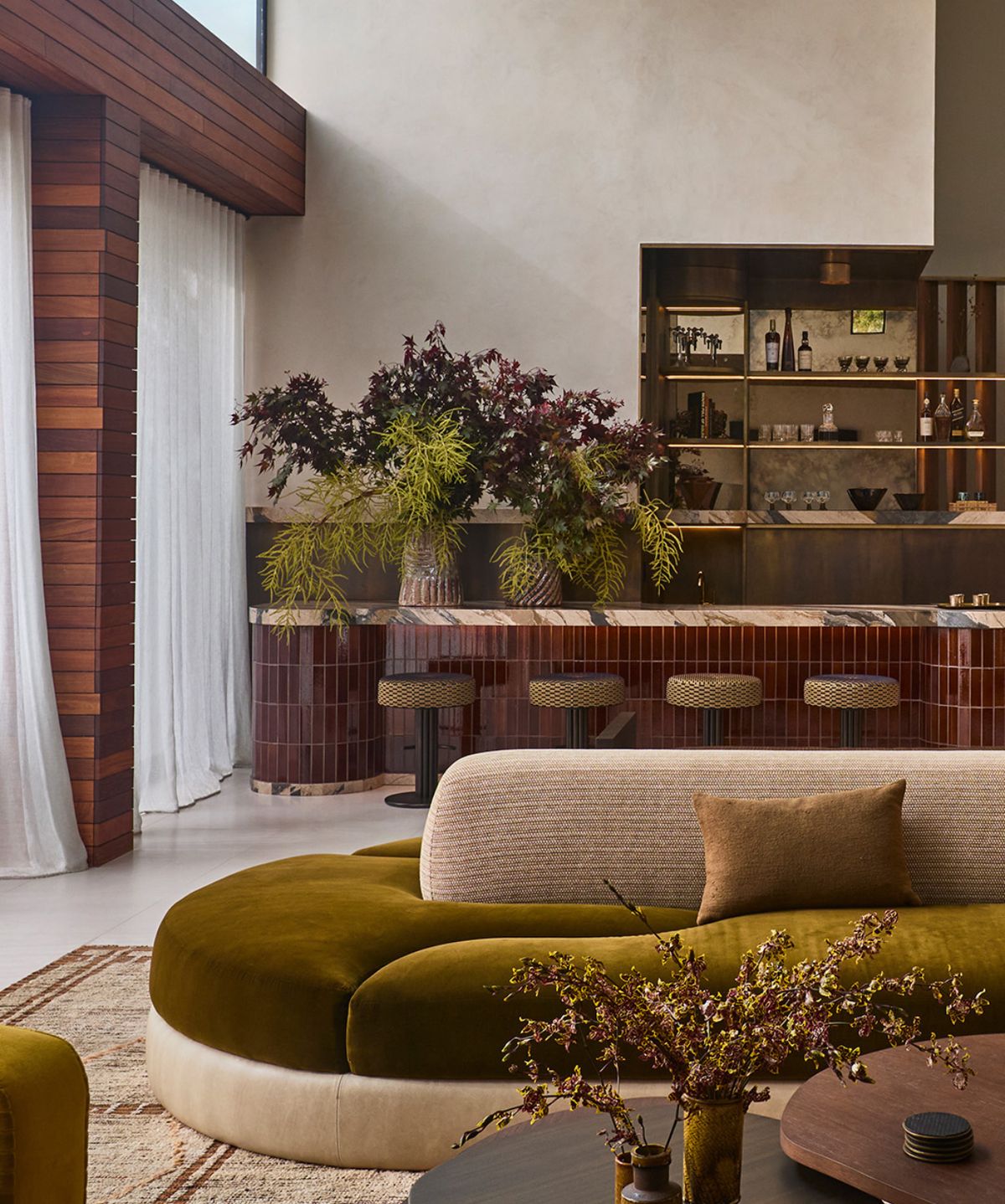
The minimalist era is evolving. While clean lines remain, we’re seeing a layered and more textural approach to biophilia. Think natural woven wall coverings, limewash finishes, daylight-maximizing windows, and architecture that mimics organic forms. This approach recognizes that our nervous systems crave the complexity and vitality found in natural environments—not sterile emptiness.
2. Circadian Lighting Systems
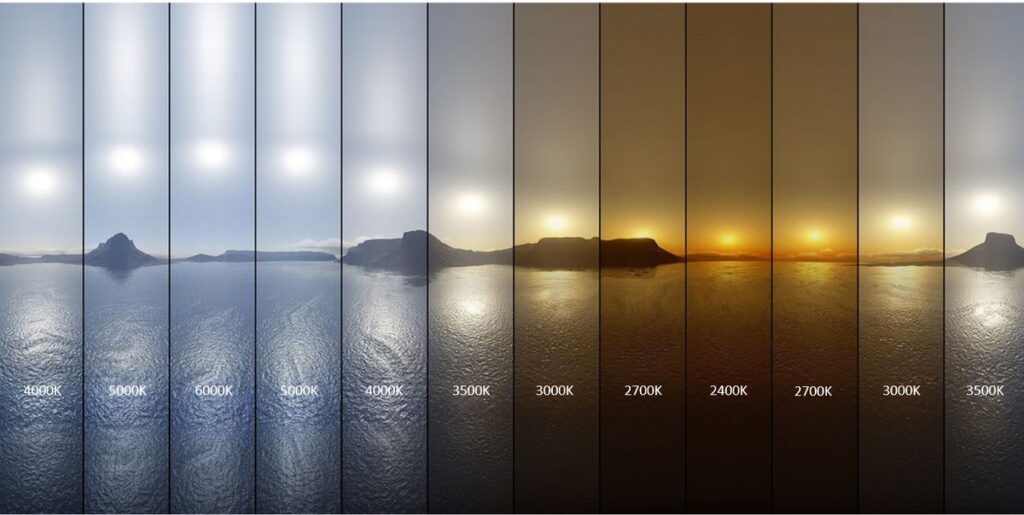
Smart lighting has transcended convenience to become a wellness essential. Integrated systems now automatically adjust color temperature and intensity throughout the day—energizing cool-toned light in the morning, warm amber hues as evening approaches. This technology supports our natural sleep-wake cycles, improving everything from mood to metabolism. The best part? It’s becoming increasingly accessible at multiple price points.
3. Dedicated Breathwork & Meditation Spaces
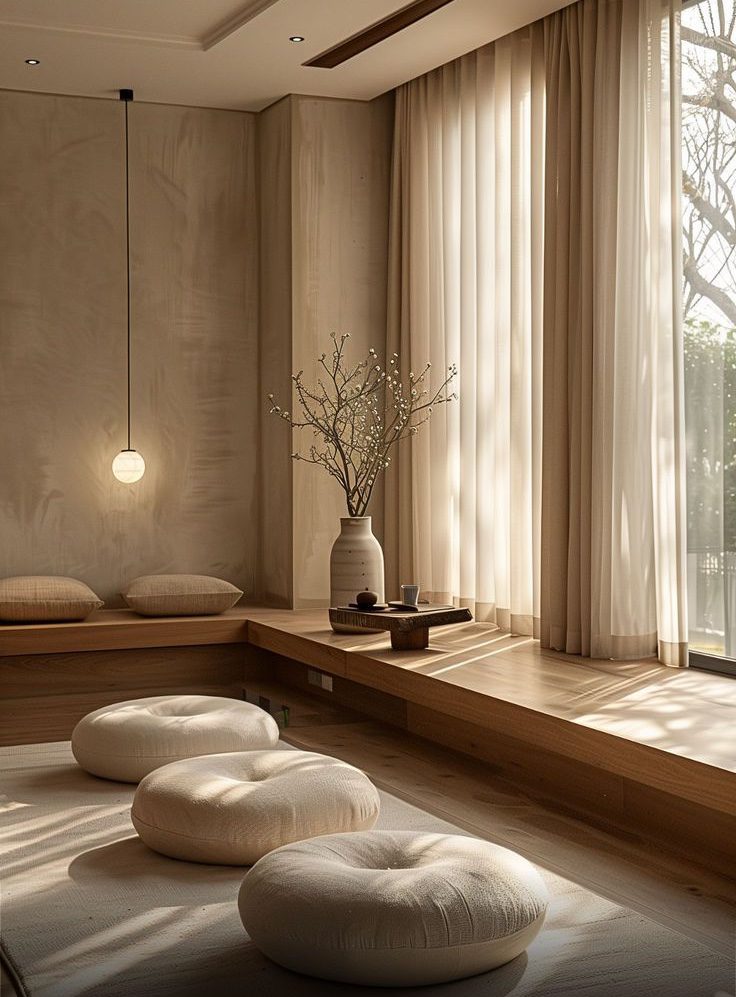
The “wellness room” is replacing the home gym as the must-have dedicated space. These aren’t elaborate—often just a quiet corner with natural light, comfortable floor cushions, and perhaps a small altar or shelf for meaningful objects. What matters is the intentionality: a space specifically designed for stillness, reflection, and nervous system regulation.
4. Non-Toxic Material Transparency
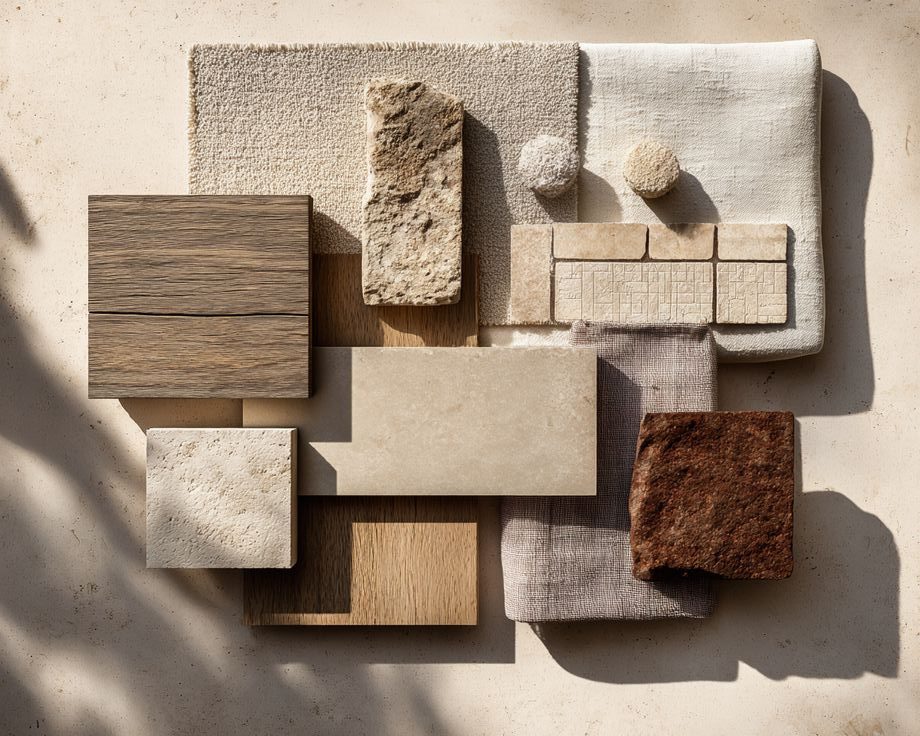
Homeowners are demanding full disclosure about what’s in their homes. Low-VOC paints are now baseline; the conversation has shifted to third-party certifications like GREENGUARD Gold, Declare labels, and Health Product Declarations. Designers are curating material libraries with verified non-toxic options—from formaldehyde-free cabinetry to natural latex mattresses and wool carpeting.
5. Acoustic Wellness Design
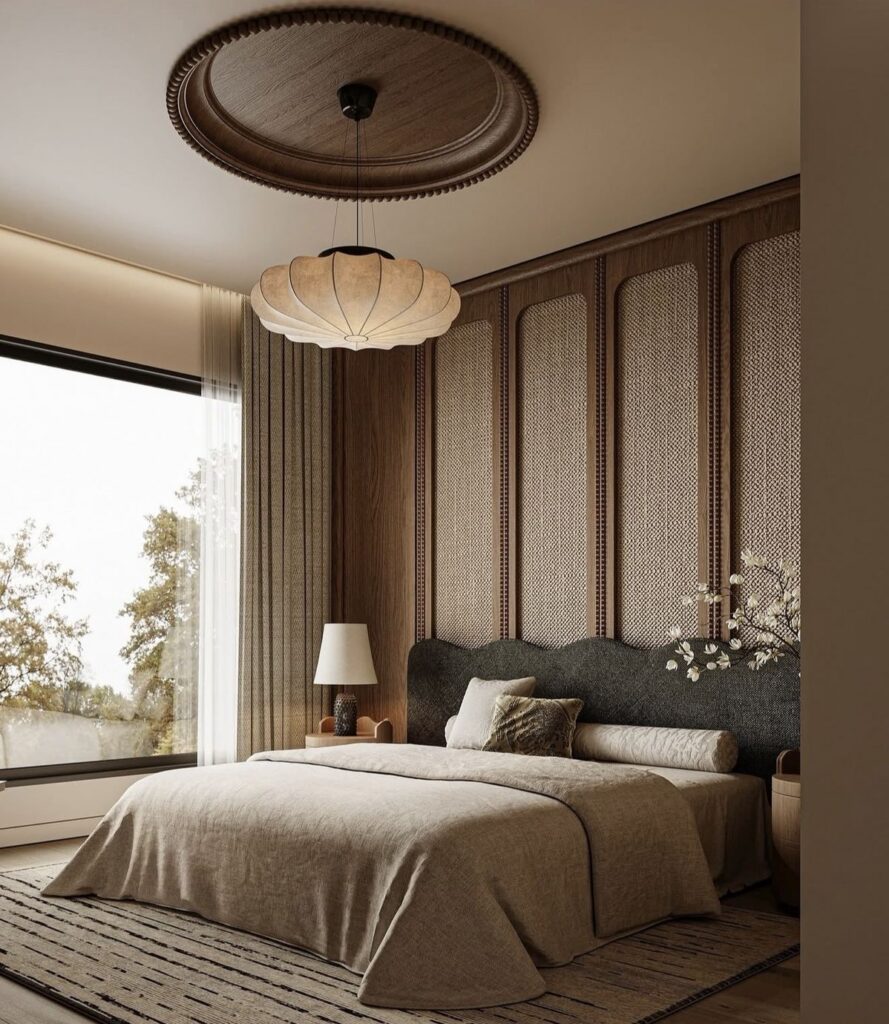
Sound quality is the new frontier. We’re incorporating sound-absorbing materials—acoustic panels disguised as art, textured wall treatments, heavy natural fiber rugs—to create spaces that feel calm rather than chaotic. In open-plan homes especially, strategic acoustic design prevents the sensory overwhelm that comes from constant noise reverberation.
6. Grounding & Earthing Elements
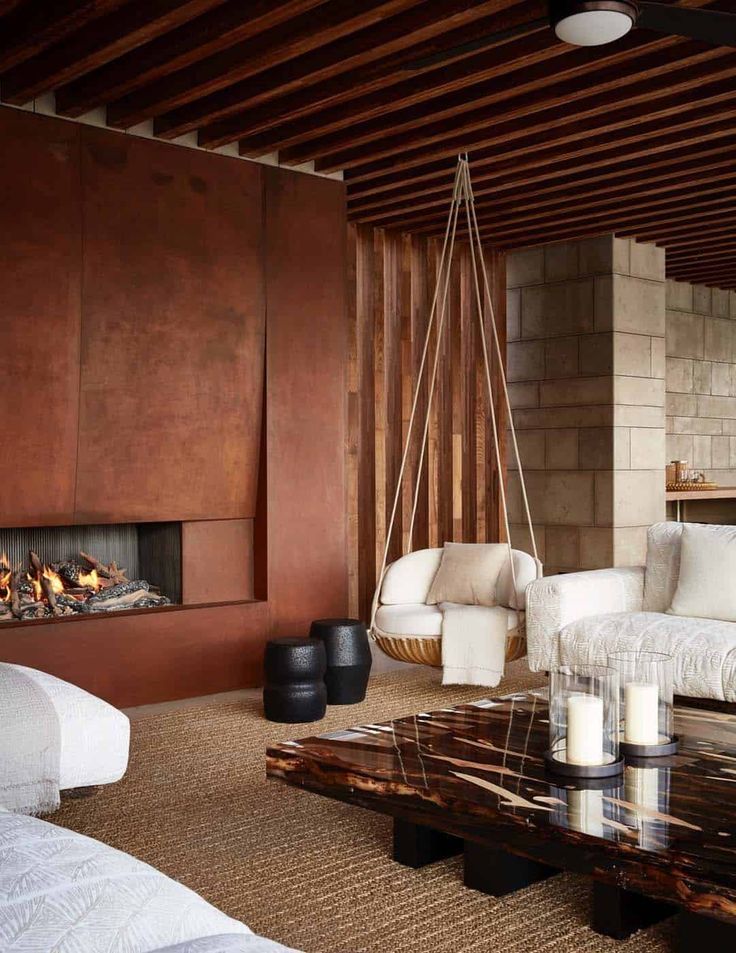
Direct connection to the earth is being designed into homes through covered outdoor living spaces with natural stone or unsealed concrete floors, indoor-outdoor transitions that encourage barefoot living, and even conductive flooring materials in wellness areas. This trend acknowledges emerging research on the benefits of physical connection to the earth’s electrons.
7. Air Quality as Infrastructure
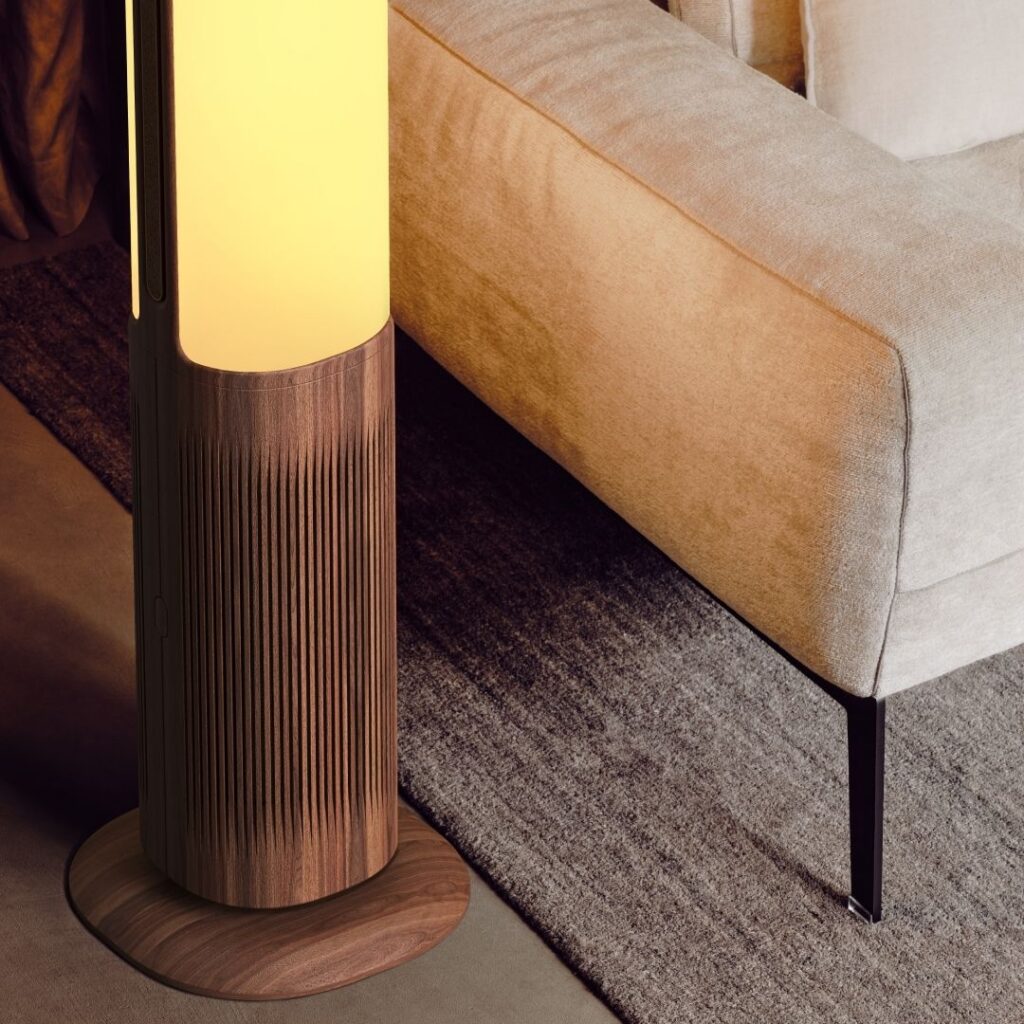
Clean air is foundational to wellness and needs to be considered early on when building a new home or renovating an existing one. Advanced filtration is no longer an afterthought—it’s being integrated into HVAC systems from the design phase. HEPA filtration, ERV (Energy Recovery Ventilation) systems, and natural filtration (like bio-based filters and ionization) are becoming standard in wellness-focused homes. Indoor air quality monitors are being built into smart home systems, providing real-time feedback.
8. Adaptogenic Color Palettes
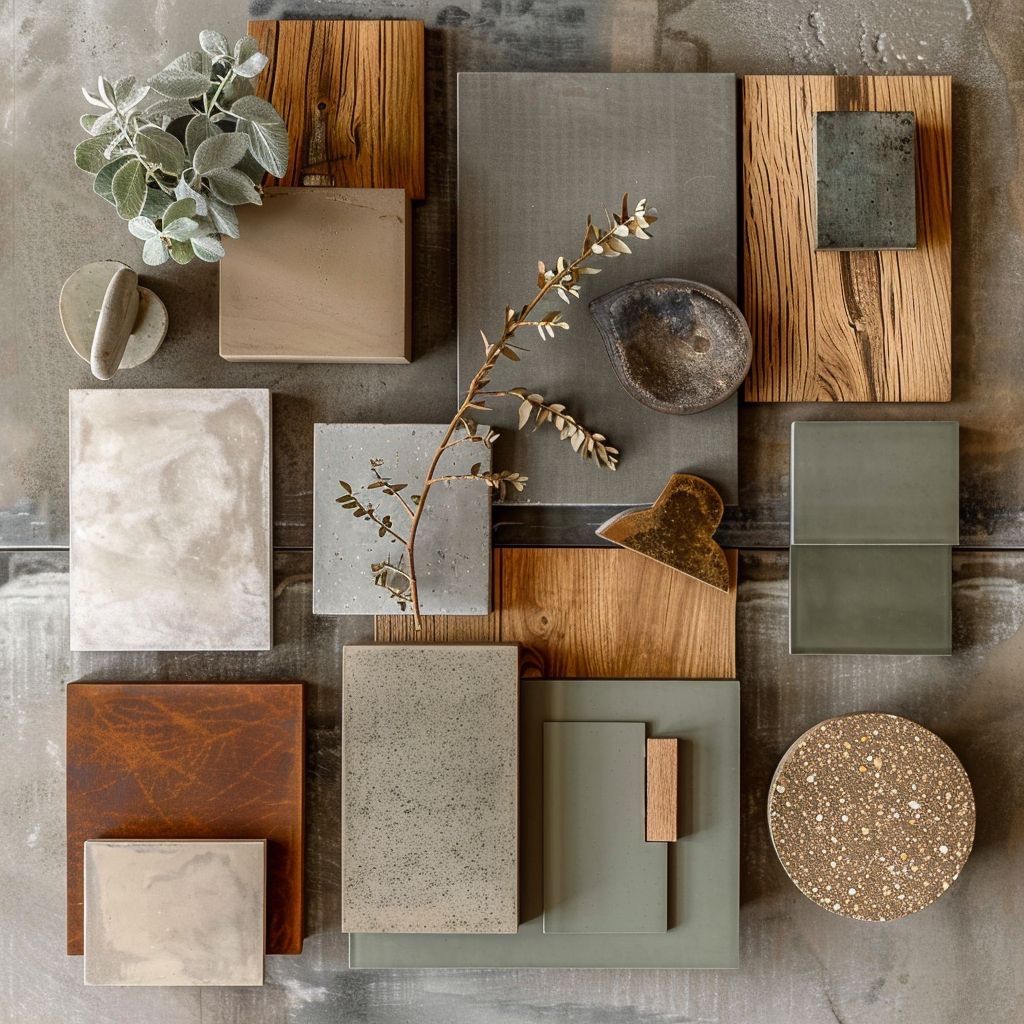
2026’s color stories are deeply grounded in emotional resonance. Color psychology is informing more nuanced approaches to finishes and material selection. Rather than stark whites or heavy darks, we’re seeing sophisticated earth tones—rich terracottas, soft sages, warm neutrals—that create psychological safety and nervous system regulation. These palettes feel both grounding and uplifting, and they’re scientifically linked to stress reduction and mental clarity.
9. Water Wellness Features
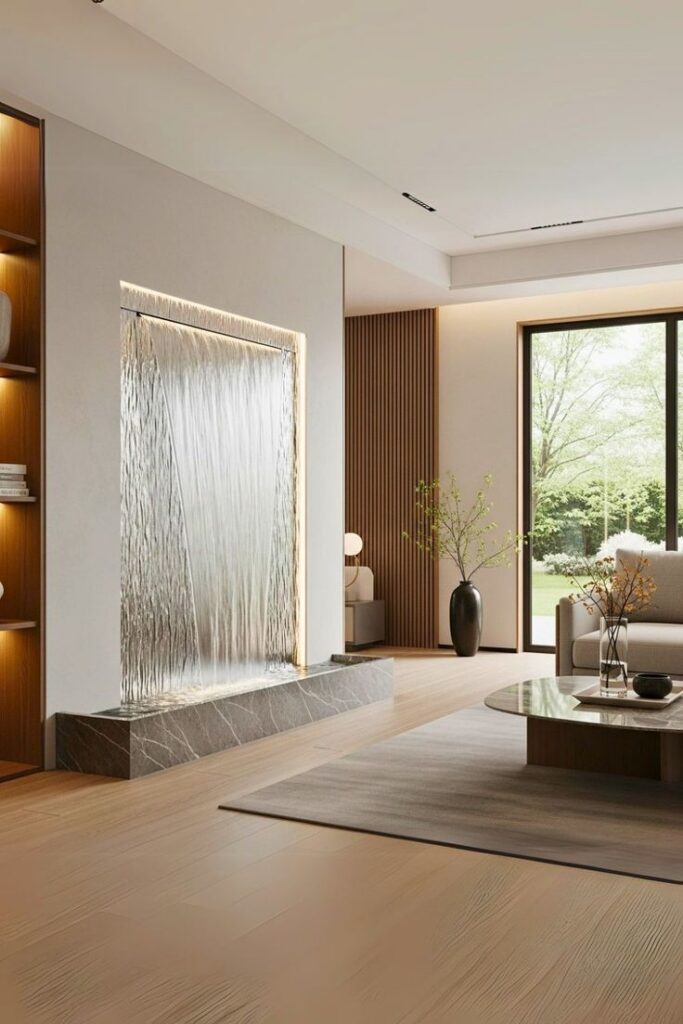
Beyond aesthetics, water features are being designed for their therapeutic benefits—the negative ions produced by flowing water, the meditative quality of gentle sound, the humidity benefits in dry climates. This ranges from simple tabletop fountains to elaborate indoor water walls with integrated planters.
10. Flexible Furniture for Movement
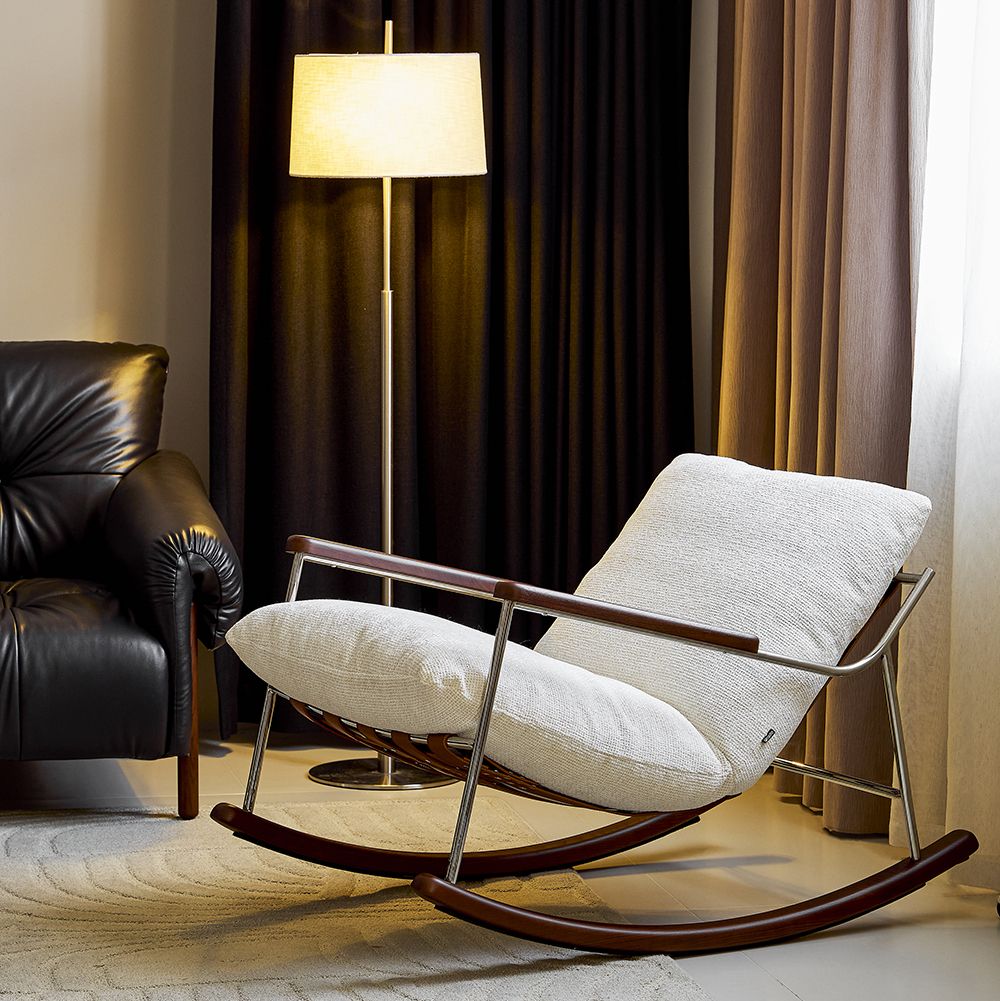
Static furniture is giving way to pieces that encourage varied postures and gentle movement throughout the day. Floor cushions for cross-legged sitting, adjustable-height desks, rocking chairs, and even subtle balance elements are being incorporated. The goal is to support the body’s need for position changes and micro-movements that traditional furniture restricts.
The Common Thread
What unites these trends is a fundamental shift in how we think about our homes. They’re no longer just shelters or status symbols. They’re active participants in our health. The most exciting aspect? Many of these interventions are surprisingly attainable. You don’t need a complete renovation to introduce circadian lighting, non-toxic materials, or a dedicated meditation corner.
Start with one element that resonates with your specific wellness goals and build from there. The homes that will feel most nourishing are those designed with intention, not perfection.
Interested in working with us to incorporate some of these design elements into your home? Contact us here and let’s talk!

https://shorturl.fm/U5oWy